
Unlock the Power of Proper Hydration for Optimal Health
Discover how daily water intake transforms your body, mind, and overall wellness. Join our community of thousands learning the science-backed benefits of intelligent hydration.
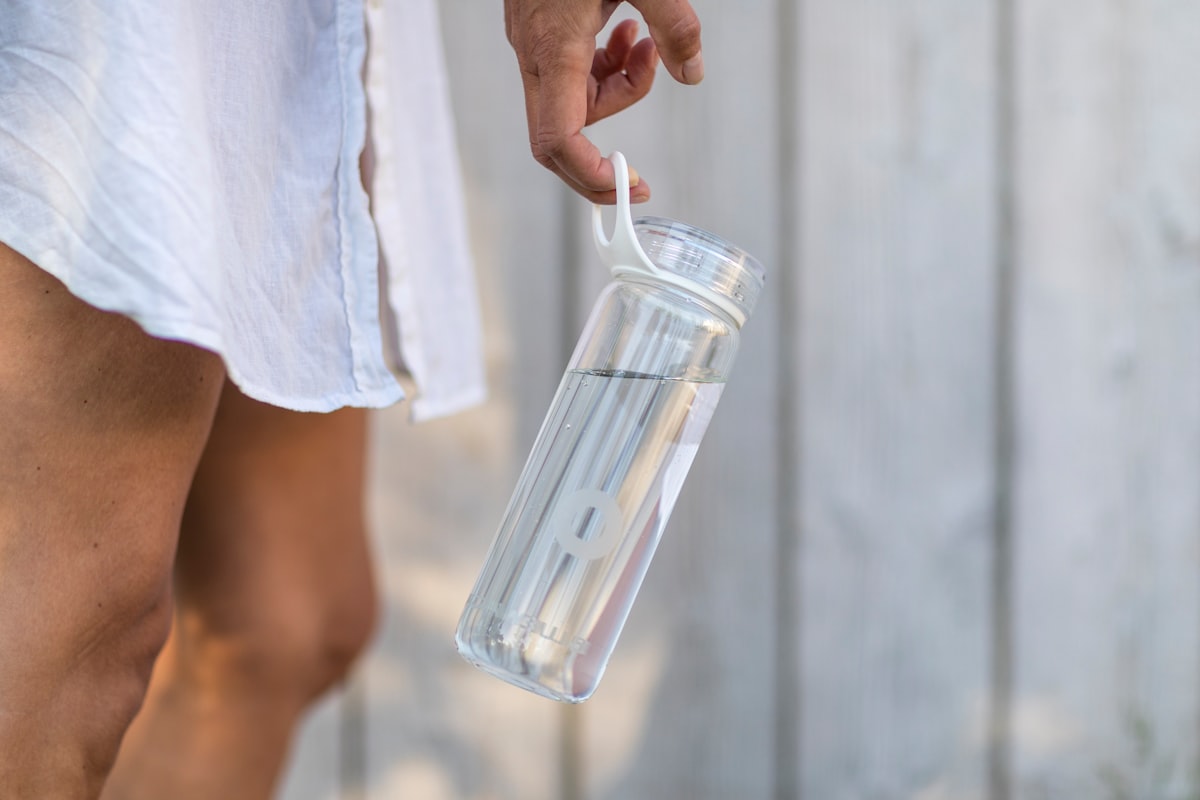
The Impact of Proper Hydration
60%
of your body is water — essential for every cellular function
8 Glasses
the recommended daily target for most adults in the UK
30 mins
time to notice mental clarity after proper hydration
Energy
even mild dehydration can reduce your physical performance
Why Daily Hydration Matters for Your Health
Water is your body's most essential nutrient. Every system — from digestion to circulation, from temperature regulation to cognitive function — depends on consistent hydration. Many of us move through our days only partially hydrated, experiencing fatigue, headaches, and reduced focus without realizing the root cause.
Learning to prioritize water intake isn't just about feeling thirsty — it's about unlocking better energy, clearer thinking, healthier skin, and stronger immunity. Our editorial team explores the science, practical strategies, and real-world experiences of people who've transformed their health through intentional hydration.
Cognitive Performance: Proper hydration supports memory, focus, and mental clarity throughout the day.
Physical Endurance: Even 2% dehydration can reduce athletic performance and muscle function.
Metabolic Health: Adequate water intake supports digestion, nutrient absorption, and metabolic efficiency.
Key Health Benefits of Proper Hydration
Discover how consistent water intake delivers transformative results across multiple dimensions of your wellbeing.
Enhanced Brain Function
Your brain is 75% water. Proper hydration sharpens concentration, improves memory retention, and supports emotional balance. Studies show hydrated individuals score higher on cognitive tests and experience fewer afternoon energy slumps.
Cardiovascular Support
Water maintains optimal blood volume and viscosity, reducing strain on your heart. Consistent hydration helps regulate blood pressure, improves circulation efficiency, and supports overall cardiovascular stability and longevity.
Athletic Performance
Muscles are 75% water. Hydration enables better endurance, faster recovery, and improved strength during exercise. Athletes who drink strategically experience less fatigue, fewer cramps, and enhanced overall workout effectiveness.
Skin Health & Radiance
Water hydrates skin from within, improving elasticity and promoting a natural glow. Proper hydration supports the skin's barrier function, reduces dryness, and can help minimize the appearance of fine lines over time.
Respiratory Wellness
Hydration maintains mucous membrane moisture in your lungs and airways. Consistent water intake supports respiratory health, reduces airway irritation, and improves oxygen exchange efficiency throughout your body.
Digestive Efficiency
Water is essential for breaking down food and absorbing nutrients. Adequate hydration prevents constipation, supports healthy gut bacteria, and enables your digestive system to function optimally throughout the day.
Common Questions About Hydration
How much water should I drink daily?
The common recommendation is 8 glasses (about 2 litres) daily, though individual needs vary based on activity level, climate, and body composition. A practical approach is to drink half your body weight in ounces, or simply drink enough that your urine remains pale yellow throughout the day. Listen to your body's thirst signals and adjust based on your personal circumstances.
Can I drink too much water?
While rare, excessive water consumption can lead to hyponatremia (dangerously low sodium levels). Most people naturally self-regulate through thirst. For average daily living, it's difficult to overhydrate, but during extreme exercise, balance electrolytes with pure water intake. A safe guideline is to drink only when thirsty and adjust for activity and climate.
Does water type matter — tap, bottled, filtered?
Plain water is plain water — your body doesn't differentiate. In the UK, tap water is highly regulated and safe. Filtered water removes potential contaminants if you prefer, while bottled water varies by source. The best water is whichever type you'll actually drink consistently. Environmental impact favors tap or filtered water in reusable containers over single-use bottles.
Does caffeine and alcohol affect my hydration status?
Both have mild diuretic effects, meaning they increase fluid loss. However, they don't fully dehydrate you — the water in tea, coffee, and other beverages counts toward your intake. If you consume these regularly, simply increase your total water intake slightly. For alcohol, alternate alcoholic drinks with water to maintain better hydration balance during social occasions.
When is the best time to drink water during the day?
Spread water intake throughout the day rather than consuming large amounts at once. Start with a glass upon waking to rehydrate after sleep, drink before and after exercise, and maintain steady sips during work. Avoid large amounts right before bed to minimize sleep disruptions. Your body absorbs and utilizes water better when distributed across your waking hours.
What are signs I'm not drinking enough water?
Common dehydration signs include persistent thirst, dark yellow urine, fatigue, headaches, dry mouth and skin, difficulty concentrating, and dizziness. You might also notice reduced athletic performance or slower recovery from exercise. If you experience these symptoms, increase your water intake gradually over a few days and monitor improvements. Most people feel noticeably better within 48 hours of improving hydration.
Real Stories from Our Community
Discover how everyday people have transformed their health and wellbeing through consistent, intentional hydration practices.
"I was constantly exhausted and attributed it to my work schedule. After following the hydration guidance, I noticed a dramatic shift in my energy within just two weeks. My afternoon slump disappeared, my skin looks clearer, and I'm sleeping better at night. This simple change has been reported as life-changing by many of our users."
Sarah Mitchell
Manchester, UK
"As an athlete, I thought I was already hydrating well, but the articles here taught me about strategic timing and electrolyte balance. My performance improved, recovery time shortened, and I actually enjoy training more. The science-backed approach really helped me understand the 'why' behind hydration, not just the 'how.'"
James Robertson
Liverpool, UK
"I used to get splitting headaches every afternoon. Turns out I was chronically dehydrated without realizing it. The practical tips helped me build a sustainable hydration routine that doesn't feel forced. My headaches have mostly disappeared, and my mental clarity at work is noticeably sharper. Best part? It costs almost nothing."
Eleanor Thompson
Bristol, UK
Your 30-Day Hydration Challenge
Transform your health in just one month with our practical, evidence-based hydration journey. Follow these progressive steps to build lasting habits.
Week 1: Establish Your Baseline
Start by drinking 6-8 glasses of water daily. Don't overthink it — use regular glasses or bottles and keep a simple tally. Notice how you feel: energy levels, focus, mood, and any changes in your skin. Keep a small journal noting these observations. This baseline helps you recognize the impact of improved hydration as you progress.
Week 2: Optimize Your Timing
Begin spacing water throughout your day strategically. Drink a glass upon waking, before meals, mid-morning, mid-afternoon, and before bed. This prevents energy crashes and supports steady hydration. Pay attention to how you feel during the afternoon — many people experience significant energy improvements during this week.
Week 3: Connect with Your Body
By now, your body should be signalling thirst more clearly. Learn to distinguish true thirst from habit or emotional eating. Drink based on these genuine signals rather than rigid schedules. If exercising, slightly increase intake around workouts. Notice improvements in recovery time, mental focus, and physical performance as your body fully adapts to consistent hydration.
Week 4: Make It a Lifestyle
By now, consistent hydration feels natural. Reflect on the changes you've noticed: clearer skin, better focus, improved energy, reduced headaches, or better sleep. These improvements come from a simple habit. Commit to maintaining this practice beyond 30 days — the long-term benefits compound as your body thrives with optimal hydration. Share your experience with friends and inspire others to start their own journey.
Quick Tips for Success
- Invest in a quality water bottle — keep it with you throughout the day as a visual reminder.
- Set phone reminders if you tend to forget — these can be invaluable, especially during busy workdays.
- Enhance water with lemon, cucumber, or berries if plain water feels boring — flavor encourages consistency.
- Track your progress in a journal — noting improvements keeps you motivated and accountable.
Start Your Water Wellness Journey Today
Join thousands of people discovering the transformative power of consistent, intentional hydration. Our comprehensive guides, science-backed articles, and community insights provide everything you need to optimize your water intake and unlock better health.
For more information about our content and editorial mission, visit our About Us page.